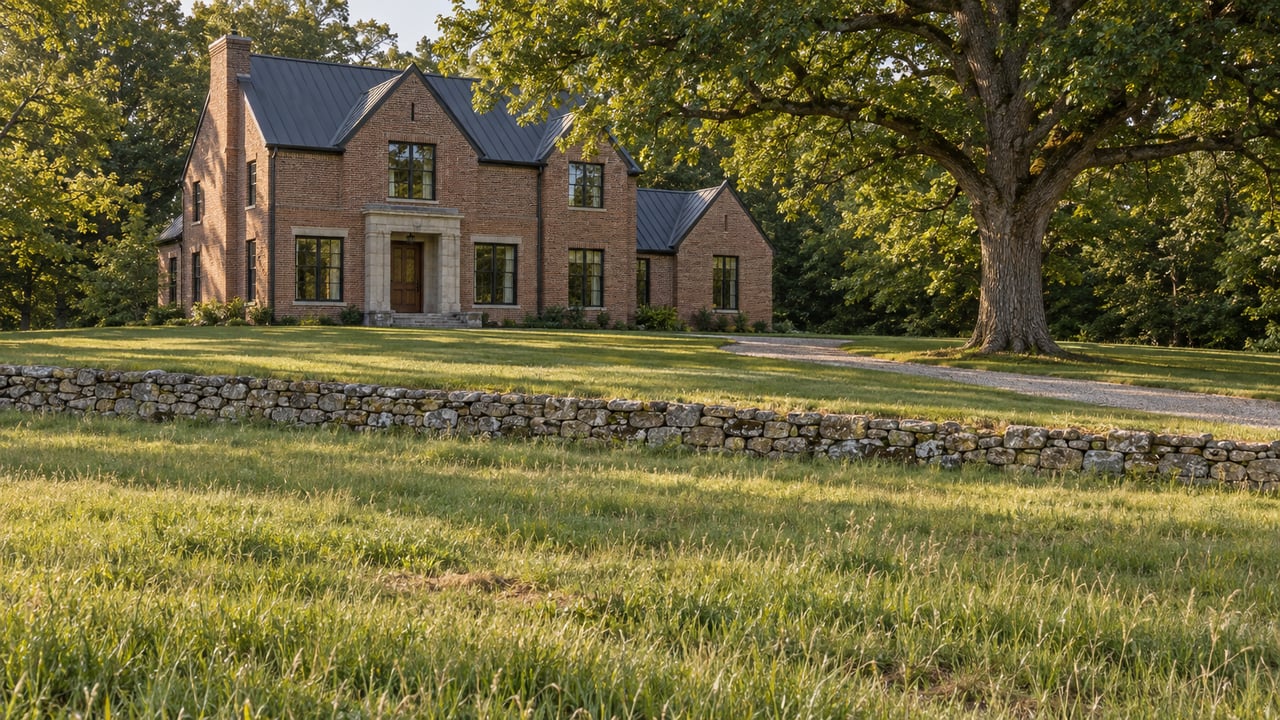
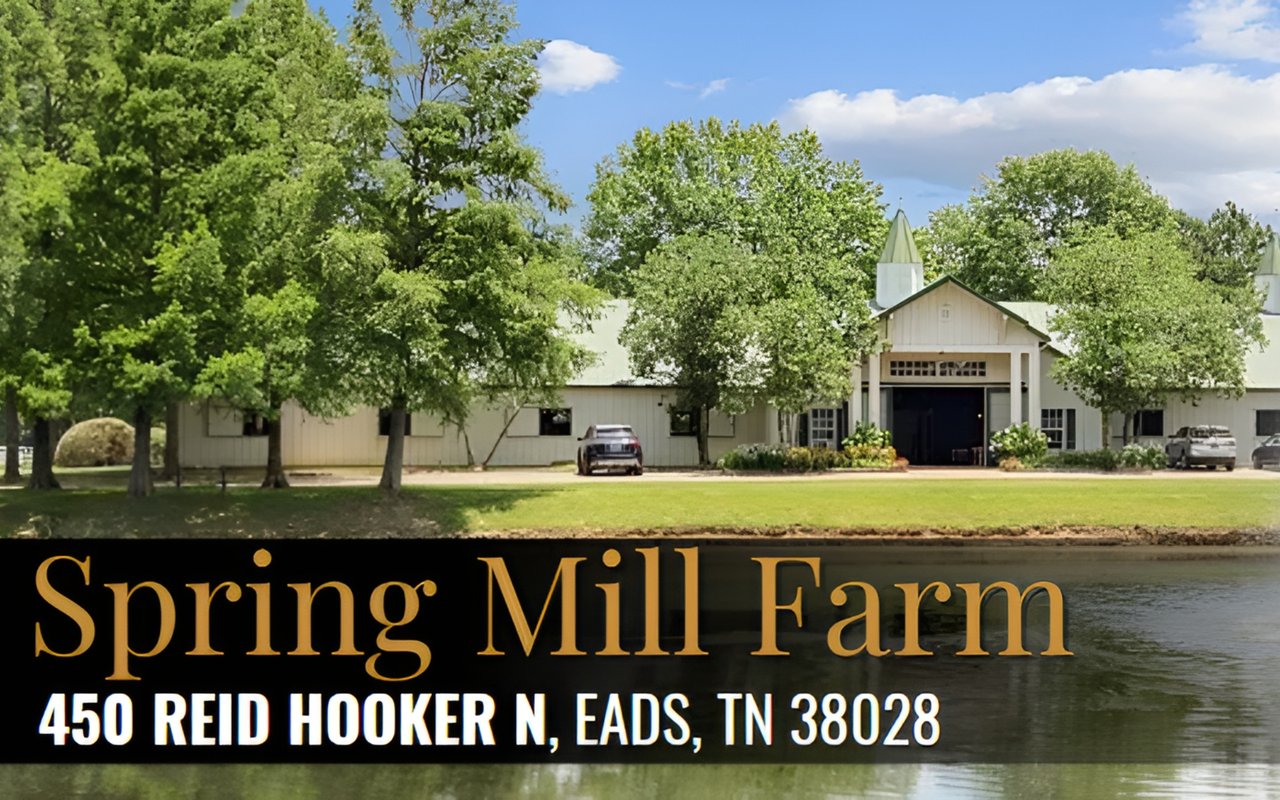
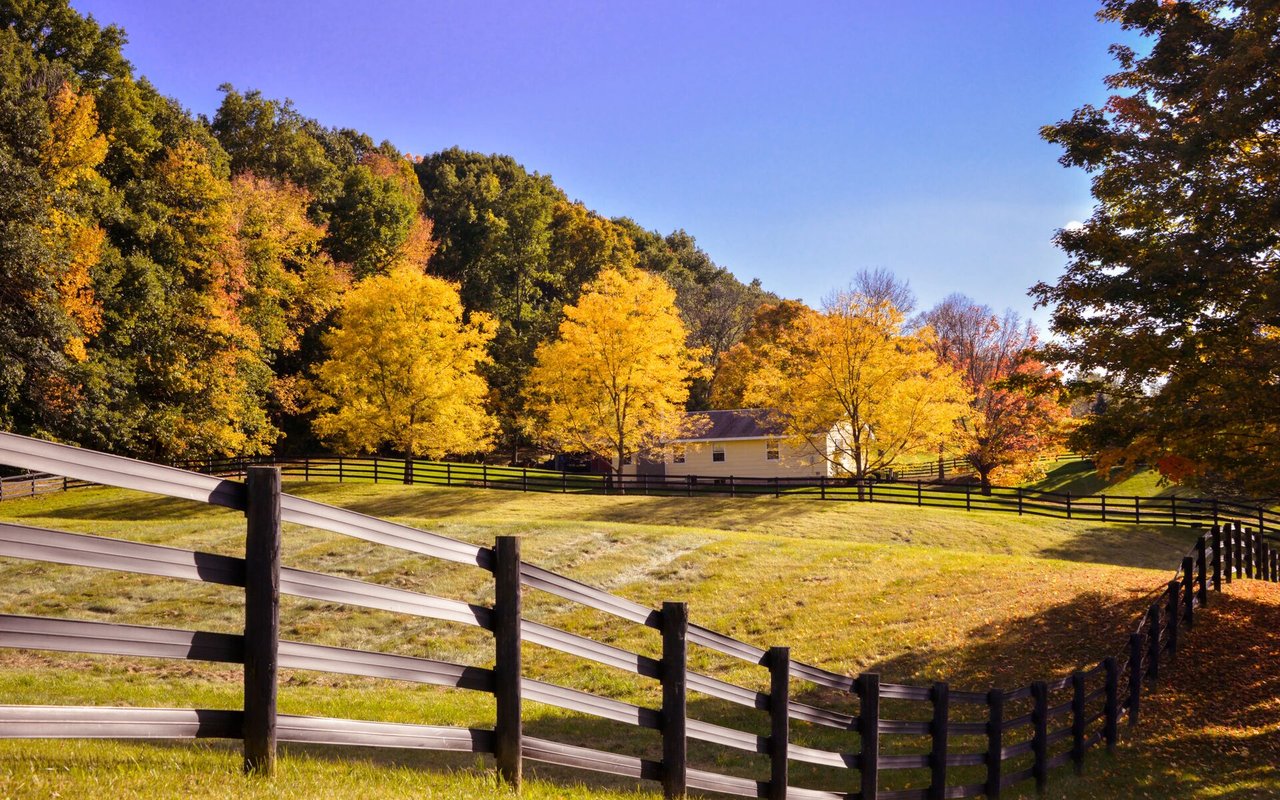
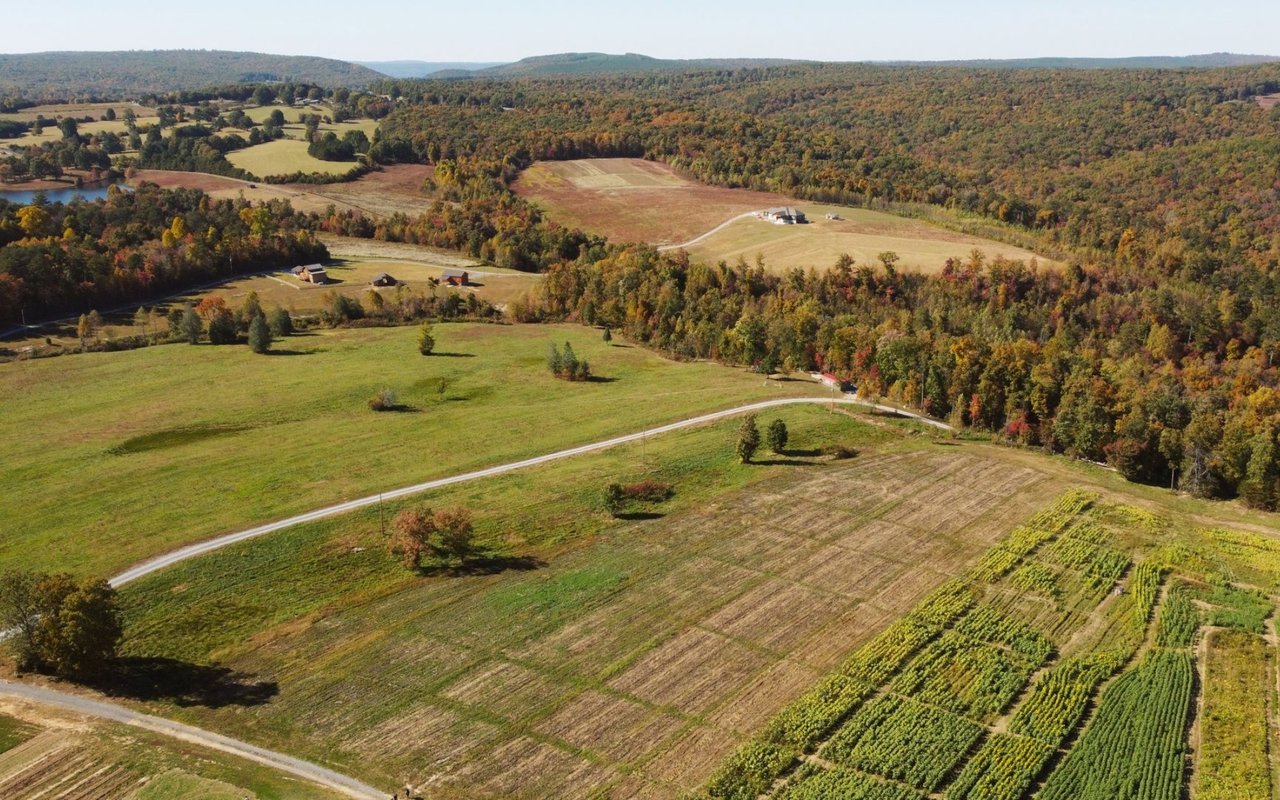
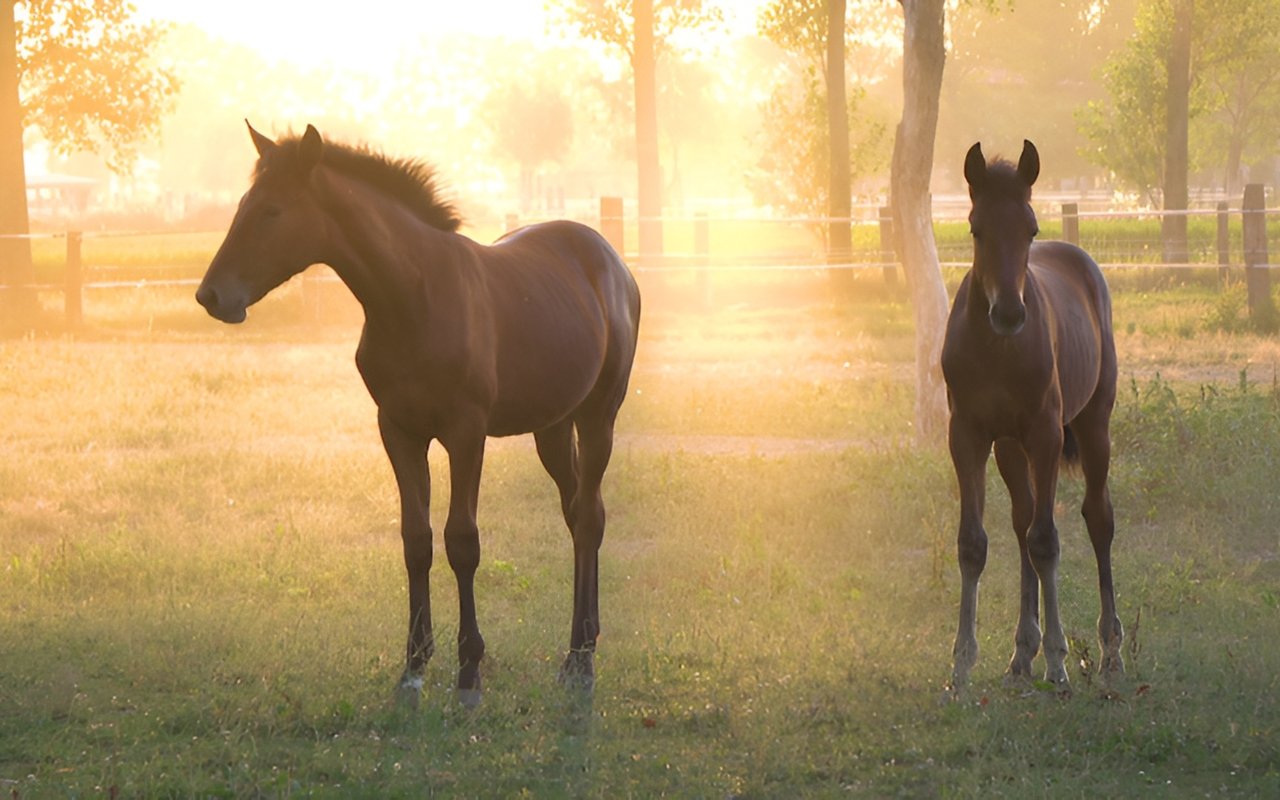
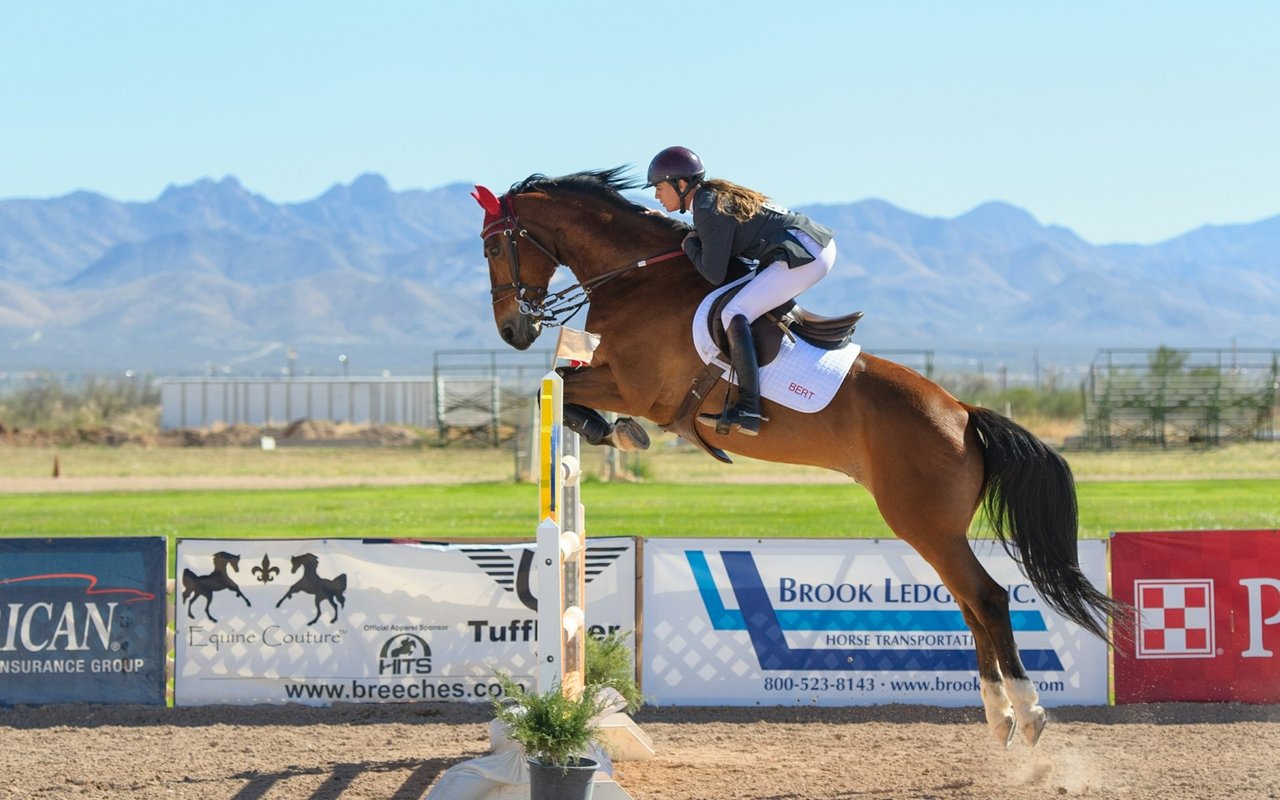
You've found the parcel outside College Grove. Twelve acres, a three-stall barn, fencing already up, and a tax bill on the seller's disclosure that looks almost too low to be real. It isn't a mistake. It's Greenbelt, Tennessee's agricultural use-value assessment, and it's the reason that twelve acres carries a property tax bill closer to a suburban lot than to twelve acres of Williamson County dirt.
Here's what almost nobody explains before the closing table: that low number is not a feature of the land. It's a status the current owner applied for, and it does not automatically follow the deed. If you don't reapply, if the acreage math shifts, or if the county decides the property isn't really being farmed anymore, the break can disappear and bring years of back taxes with it.
What Greenbelt Actually Does
Tennessee's Agricultural, Forest and Open Space Land Act of 1976, the law everyone calls Greenbelt, lets qualifying land be taxed on its current use rather than its market value. A working hayfield gets assessed like a hayfield, not like the equestrian estate it could become if someone built on it. To qualify as agricultural land, a tract generally needs at least 15 acres, or 10 acres if the owner has another qualifying tract in the same program, and the land has to actually generate an average of $1,500 or more in farm income over any three consecutive years. Owning horses is not, by itself, the same thing as farming. The county wants to see production, boarding, breeding, hay, something that shows up as income, not just fencing and a barn.
The Part Buyers Skip Past
The greenbelt status attached to the seller's tax bill is theirs, and Williamson and Wilson County assessor offices are explicit that new owners must reapply once the sale closes. There's no automatic transfer. Applications for the current tax year are due by March 15, and recording the approved application at the Register of Deeds carries a small fee, currently around $12. Miss the window and you're paying full market-value taxes for a year while you wait to refile, on land that may be worth several times its use value on paper.
If a property that has been assessed as Greenbelt becomes disqualified, the owner may be liable for "rollback" taxes, the difference between what was paid under the use-value assessment and what would have been owed at market value.
That's the mechanism that matters more than the paperwork deadline.
What Rollback Actually Costs
Rollback isn't a penalty. It's the county collecting the savings you benefited from, once the land stops qualifying. How far back they reach depends on what kind of Greenbelt classification the parcel carried:
| Land classification | Rollback period |
|---|---|
| Agricultural or forest land | 3 years of back taxes |
| Open space land | 5 years of back taxes |
Disqualification isn't rare or dramatic. It happens when a tract drops below the acreage minimum because a homesite gets carved off for a guest house, when the farming income test isn't met for three straight years, when a subdivision plat gets recorded over any part of the land, or simply when nobody files the paperwork after a sale. Any one of those triggers a bill calculated against years you already lived there, not just the year you slipped up.
Why the Small Farm Carries More Risk Than the Big One
This is the part that surprises buyers who assume bigger, more expensive land means more exposure. It's the opposite. A 200-acre legacy farm in Leiper's Fork has room to absorb a homesite, a barn expansion, or a fallow season without dropping near the 15-acre floor. A 10 to 15 acre "gentleman's farm," the exact size that has become the entry point into Williamson County's horse country for buyers priced out of the larger estates, sits right at the qualification line. One decision to fence off two acres for a pool and guest house, or one year where the hay wasn't cut and sold, can push the parcel below the threshold that kept the tax bill livable in the first place.
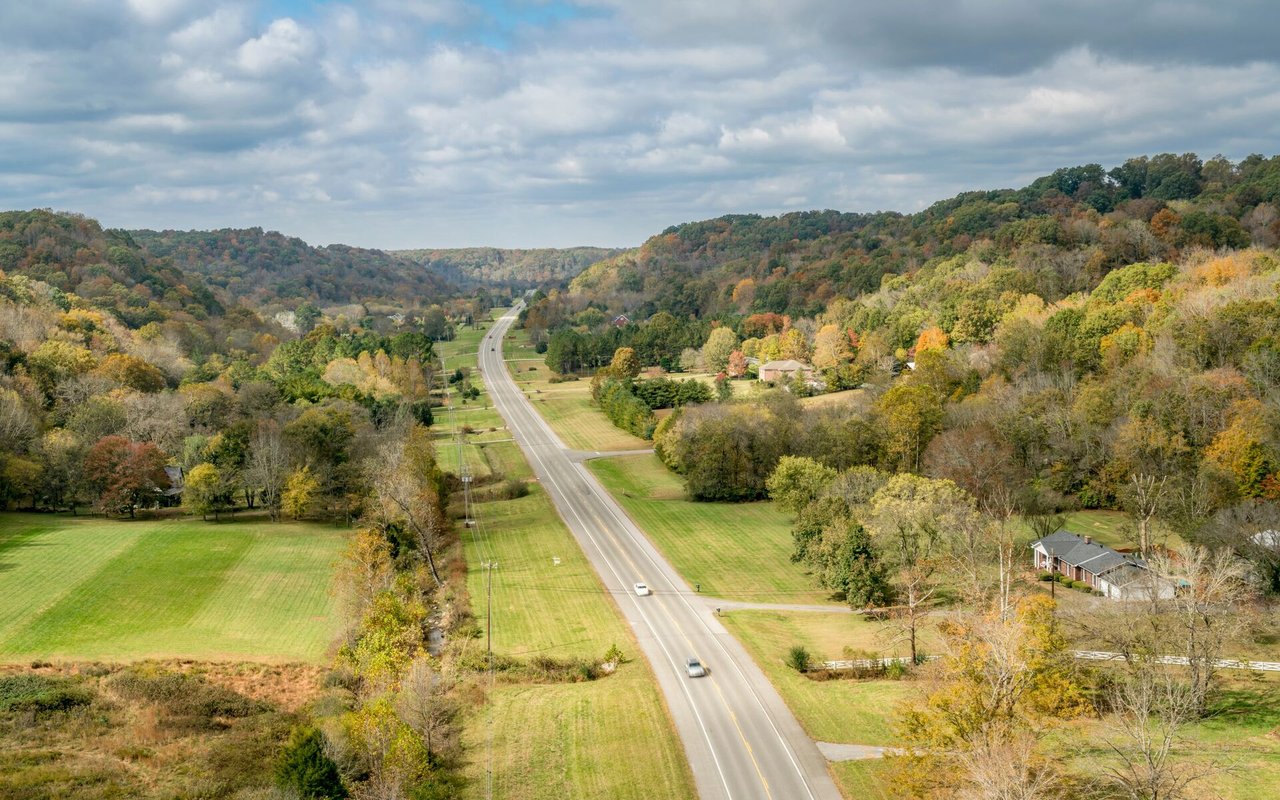
That risk concentrates in specific places. College Grove, on the eastern side of the county, has become one of the most sought-after pockets for exactly this size of property, the terrain and established infrastructure making it a natural landing spot for buyers who want horse country without a legacy-farm budget. Thompson's Station, home to established equine veterinary practices including Tennessee Equine Hospital and Equine Performax at The Jaeckle Centre, pulls the same kind of buyer toward smaller acreage close to those services. A 2026 outlook for the corridor projected Thompson's Station's median home price in the $750,000 to $850,000 range, well above Nashville and Davidson County's median of roughly $510,000, which tells you plainly that buyers are already paying a premium to be in this footprint. Losing the greenbelt cushion on top of that premium changes the carrying cost of the property in a way the listing price never showed you.
Fairview, on the western edge of the county, offers more acreage per dollar and a lower price of entry, which sounds like the safer play. It can be, but a lower purchase price on more acreage doesn't remove the same reapplication and income-test obligations. The paperwork doesn't care what you paid.
Statewide, equestrian property in Tennessee was listing at an average price near $1.58 million and roughly $38,738 per acre as of July 2026, according to multi-listing data. Those averages are pulled up by the state's largest working farms and estates, the properties with the acreage cushion to absorb a bad hay year or a homesite carve-out without falling out of Greenbelt. Buyers competing for the smaller, more affordable parcels that make up most of the actual transaction volume in Williamson County are the ones standing closest to the line.
Protecting Yourself Before You Sign
None of this should scare a serious buyer away from a horse property. It should change what gets checked before the ink dries.
- Ask for the seller's current Greenbelt approval and the acreage breakdown it covers, not just the tax bill
- Confirm the parcel's income history against the $1,500 three-year test if farm use is part of your plan, especially if you intend to board, breed, or sell hay rather than simply keep horses
- Calendar March 15 the year you close, since a late reapplication can mean a year of full market-value taxes while you wait
- Get the exact acreage in writing before planning a homesite, guest house, or arena that might dip the tract below the 15-acre (or 10-acre paired) minimum
- Ask whether the property, your parents, or your spouse have farmed it for 25 years or more, since that history can qualify a property regardless of the income test
None of these are exotic requests. They're the same questions a horse owner walking the fence line asks about the fencing, water, and soil. The tax status deserves the same scrutiny as the barn.
A Few Questions Worth Asking Directly
Does the low tax bill transfer automatically when I buy a Greenbelt farm? No. County assessor offices require new owners to reapply for Greenbelt classification after a sale. The seller's approval does not carry over with the deed.
I want the acreage for horses, not farming income. Does that still qualify? Owning horses alone doesn't automatically meet the farm-income test. The county looks for actual production, boarding fees, breeding income, or hay sales that clear roughly $1,500 a year averaged over three years. Recreational horse-keeping without any income stream can be a harder case to make, though the law does allow the presumption to be argued with evidence either way.
What if the acreage drops below the minimum after I buy? That's one of the more common ways properties lose their classification, and it can trigger rollback taxes covering three years for agricultural or forest land, five for open space. Confirming exact acreage before any homesite or outbuilding plan is worth the extra week it takes.
Land like this rewards buyers who ask the right questions before they own it, not after. If you're weighing a horse property in Williamson County or anywhere else across Middle Tennessee, Home and Farms Realty works this exact intersection of acreage, barns, and the fine print that decides what a farm actually costs to keep. Let's Connect before you write the offer, not after you get the rollback letter.